
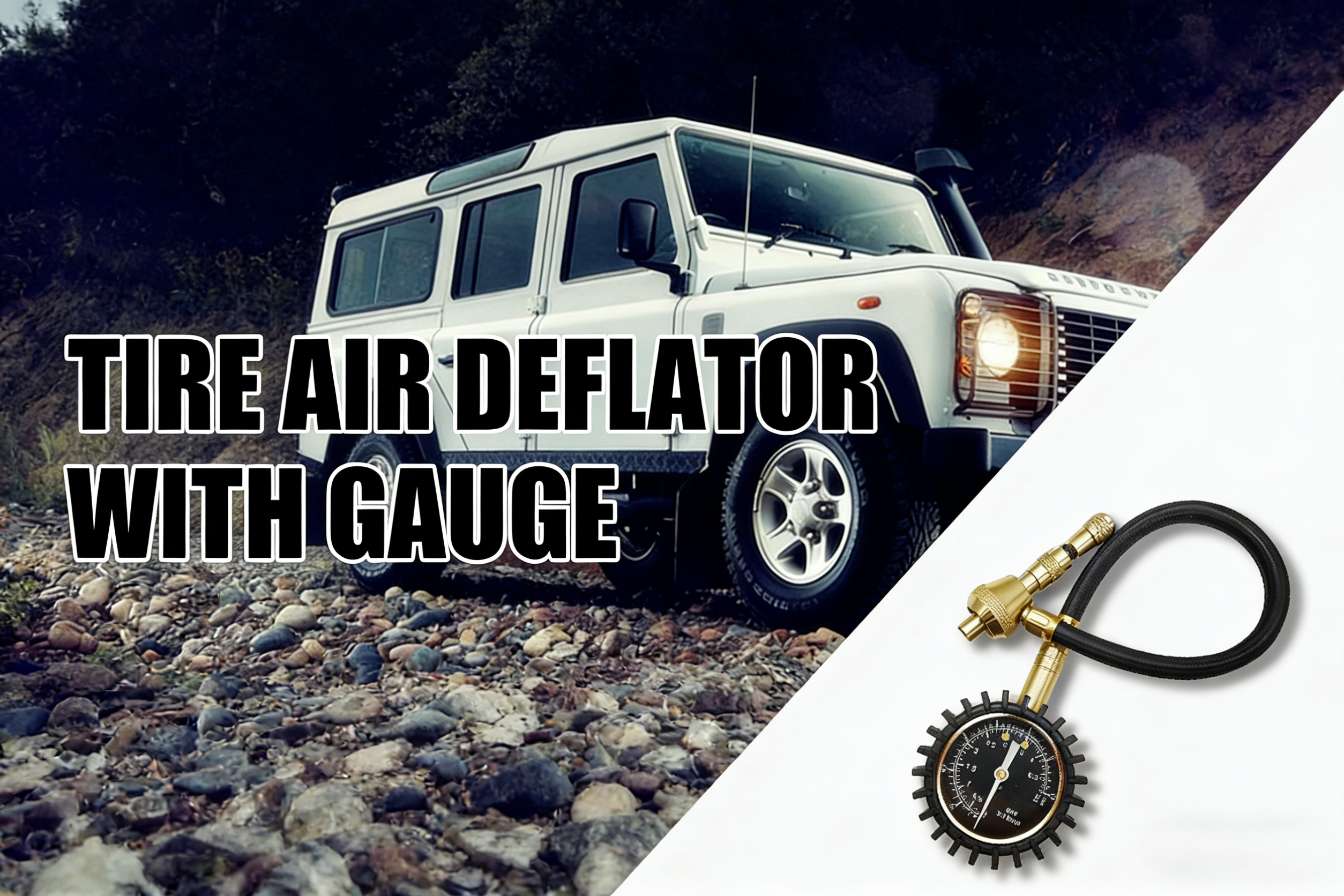
Airing Down Tires for Off-Roading: The Ultimate Guide for Beginners & Enthusiasts
Off-roading is all about breaking free from the constraints of paved roads—chasing the thrill of rugged trails, navigating untamed landscapes, and pushing both your vehicle and yourself to new limits. But here’s a secret seasoned off-roaders swear by: your tires are your most important tool, and mastering tire pressure management—specifically the art of “airing down”—is non-negotiable for a safe, fun, and successful adventure. For beginners, this practice is often overlooked, but it’s the difference between a smooth ride and getting stuck (or worse, damaging your vehicle).
If you’ve ever wondered why off-roaders intentionally let air out of their tires, when to do it, how much to deflate, or what tools you need, you’re in the right place. This guide breaks down everything you need to know about airing down—no jargon, no fluff, just practical, actionable advice to take your off-roading game to the next level.
What Even Is Airing Down, and Why Does It Matter?
For everyday driving, we’re taught to keep our tires inflated to the manufacturer’s recommended pressure—usually between 30-35 psi—for fuel efficiency and even wear. But off-roading is a whole different scenario, and airing down flips that rule on its head. Let’s break down the basics of what airing down is, and the science behind why it works.
The Basics of Tire Air Down
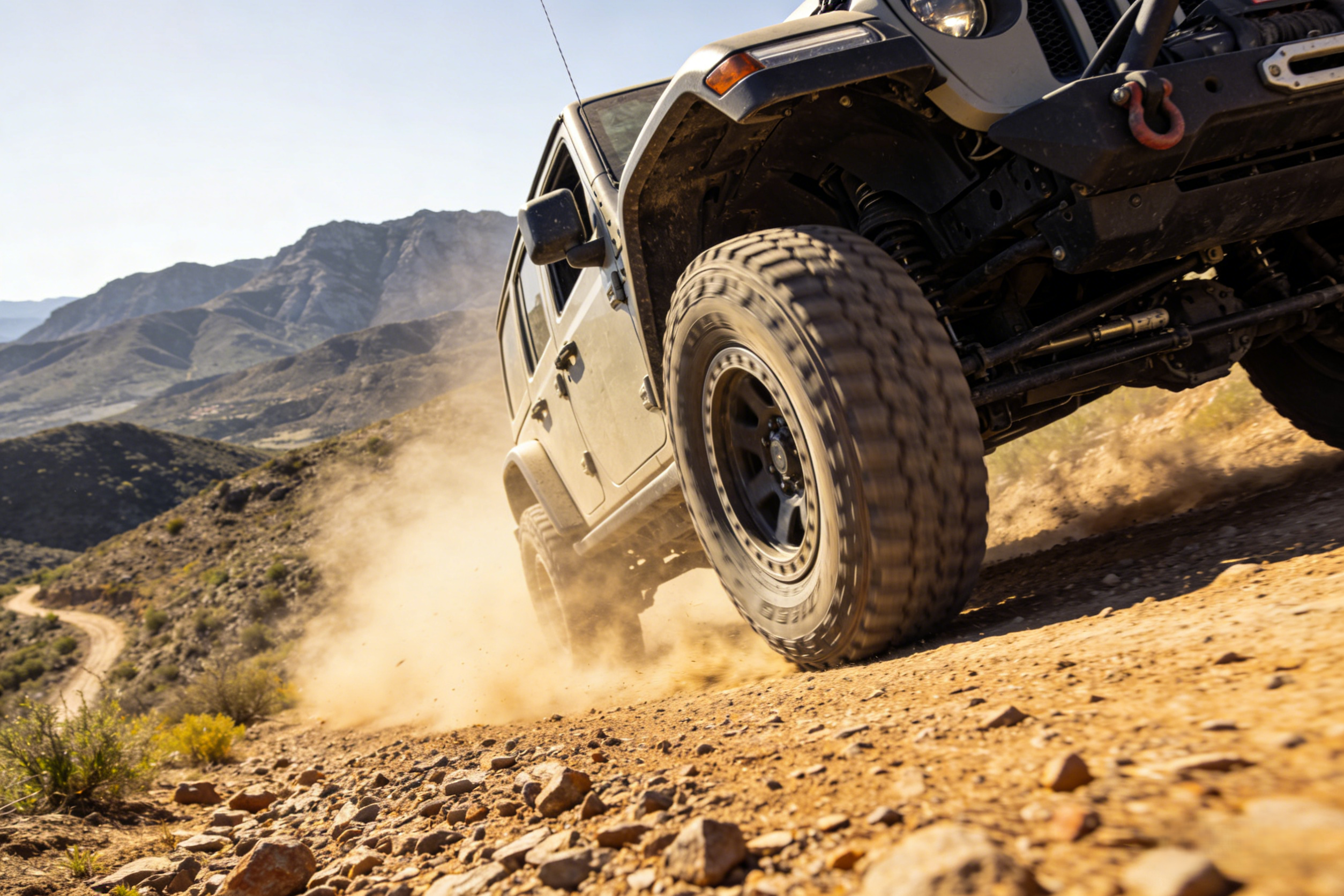
Airing down simply means intentionally reducing the air pressure in your tires below the on-road recommended level. Unlike regular driving, where higher pressure keeps tires firm and efficient, off-roading requires flexibility. By letting out air, you allow your tires to “spread out,” creating a wider, flatter contact patch with the ground. This seemingly small adjustment transforms how your vehicle handles rough terrain, turning a stressful slog into a smooth, controlled ride.
The Science Behind It (Simplified)
It all comes down to pressure distribution and surface area. The air inside your tire pushes outward, creating a firm contact point with the ground. When you decrease that pressure, the tire relaxes and spreads, increasing the area that touches the terrain. This distributes your vehicle’s weight over a larger surface, reducing the force per square inch on the ground. The result? Your tires conform to rocks, grip loose sand, and glide over mud—instead of bouncing off obstacles or sinking into soft surfaces. It’s physics working in your favor, turning your tires into versatile tools for any trail.
Why Bother Airing Down? The Key Benefits
Airing down takes a few extra minutes before hitting the trail, but the payoff is massive. Here are the top reasons every off-roader should make it a habit—backed by real-world trail experience, not just theory.
1. Better Traction (The Biggest Win)
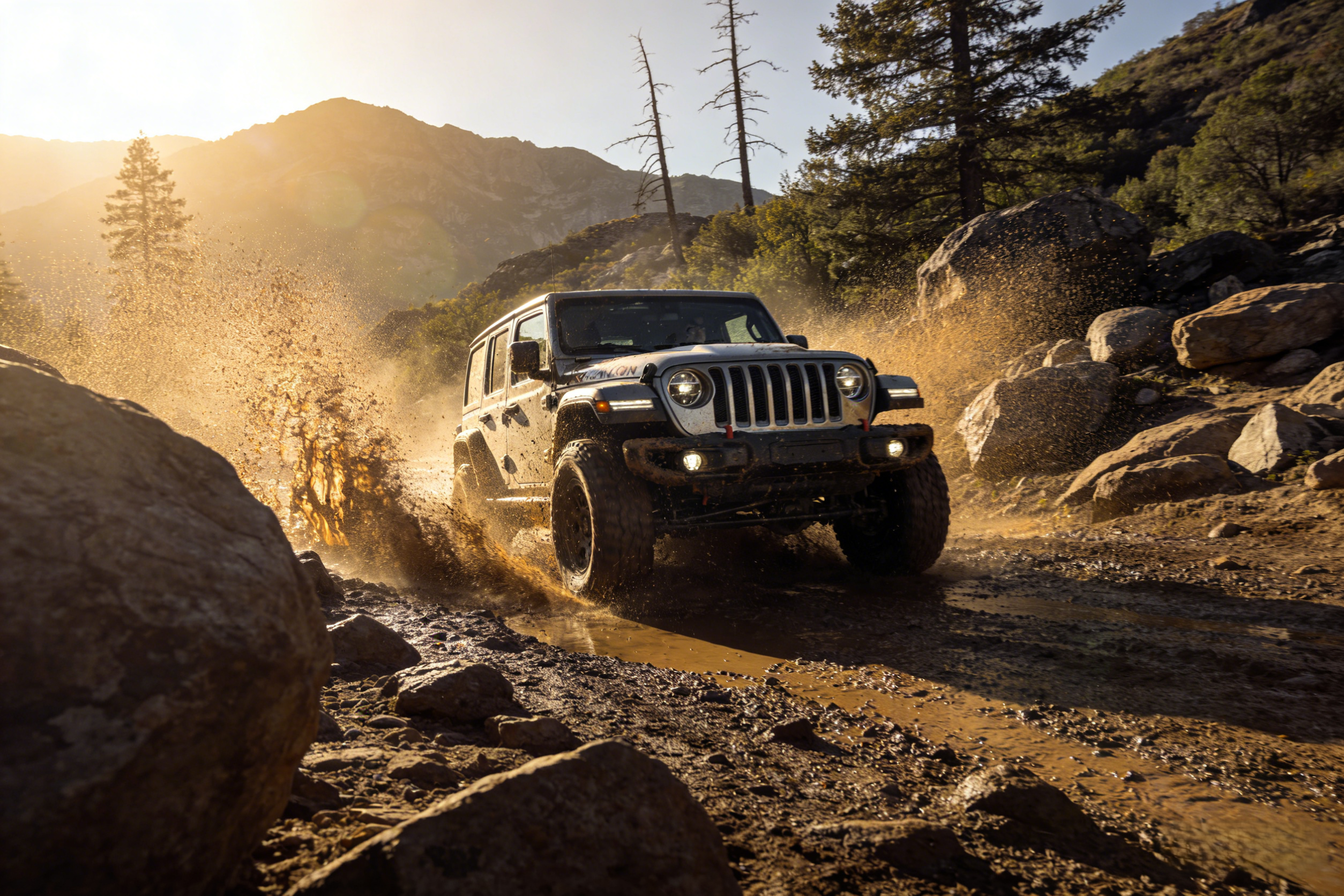
Traction is everything off-road, and airing down delivers it in spades. A wider contact patch means more rubber touching the ground, which translates to better grip on loose surfaces like sand, gravel, and mud. It also helps on rocky trails, where tires can wrap around rocks (instead of sliding over them) to find purchase. Whether you’re climbing a steep incline, navigating a slippery descent, or powering through a rutted path, aired-down tires give you the control you need to stay safe.
2. Smoother, More Comfortable Rides
Off-roading is inherently bumpy, but aired-down tires act like built-in shock absorbers. Lower pressure lets tires flex and absorb the impact of rocks, potholes, and uneven terrain—reducing the jolts you and your passengers feel. No more white-knuckling it over every obstacle; instead, you’ll glide over rough spots, making long trail days far more enjoyable.
3. Fewer Tire Punctures & Damage
Sharp rocks, jagged branches, and rough gravel are enemy number one for off-road tires. But aired-down tires are more flexible—they can conform to sharp objects instead of being pierced by them. This flexibility also reduces the risk of sidewall damage, which is common when driving over rocks with fully inflated tires. A little deflation goes a long way in protecting your tires (and your wallet).
Real-World Proof
You don’t have to take our word for it. Off-road race teams (like those competing in the Dakar Rally) rely on airing down to navigate some of the toughest terrain on the planet—sand dunes, rocky canyons, and muddy marshes. Studies in off-road mechanics have even shown that reducing tire pressure by 50% can cut the risk of getting stuck in sand by half. And ask any local off-roading club: they’ll tell you airing down is the first step to a successful trail day.
When to Air Down (And When to Skip It)
Knowing when to air down is just as important as knowing how. While it’s a good practice for most off-road trails, there are specific conditions where it’s essential—and a few where it’s unnecessary.
Conditions Where Airing Down Is a Must
-
Sand & Loose Gravel: These surfaces are prone to sinking and slipping. Aired-down tires create more flotation, keeping your vehicle on top of the sand instead of digging into it.
-
Rocky Trails: Lower pressure lets tires wrap around rocks, improving grip and reducing the chance of punctures from sharp edges.
-
Mud: A wider contact patch prevents your tires from spinning out and getting stuck in deep, sticky mud.
-
Snow: Similar to sand, aired-down tires “float” on top of snow, avoiding the frustration of getting bogged down.
Factors to Consider Before Deflating
Don’t just start letting air out blindly—consider these factors first to avoid mistakes:
-
Tire Type: Radial tires (the most common today) can handle more deflation than older bias-ply tires, which are stiffer and less flexible.
-
Vehicle Weight: Heavier vehicles (like full-size SUVs or trucks) need lower pressure to get the same traction as lighter vehicles (like compact off-roaders).
-
Driving Speed: If you’re planning to drive fast on the trail, don’t air down too much—lower pressure at high speeds can cause heat buildup and tire damage.
-
Rim Size: Larger rims mean less tire sidewall to flex—air down less to prevent the tire from popping off the rim.
How Much to Air Down? A Practical Guide
This is where beginners often stress out—but it doesn’t have to be complicated. The ideal pressure depends on your vehicle, tires, and terrain, but these guidelines will give you a starting point. Remember: it’s always better to start a little higher and adjust as needed.
Ideal Pressure for Common Off-Road Conditions
-
Sand & Loose Gravel: 12–15 psi. This balances flotation and flexibility, preventing sinking while maintaining control.
-
Rocky Trails: 15–20 psi. Enough flex to wrap around rocks, but not so low that you risk damaging the tire or rim.
-
Mud: 15–20 psi (adjust based on depth/stickiness). A wider footprint helps you power through without spinning out.
-
Snow: 12–15 psi. Creates enough flotation to stay on top of snow, even in deeper drifts.
Risks of Over-Deflation
Airing down too much can cause more harm than good. Here’s what to watch out for:
-
Tire Unseating: Excessively low pressure can make tires pop off the rim, especially during hard cornering or fast driving.
-
Increased Damage Risk: Too much flex can lead to sidewall tears or punctures from sharp objects.
-
Pavement Danger: If you drive on paved roads with underinflated tires, you’ll experience poor handling, increased tire wear, and heat buildup (which can cause blowouts).
Pro tip: Always re-inflate your tires to the manufacturer’s recommended on-road pressure as soon as you’re back on pavement.
Essential Tools for Airing Down (And Back Up)
You don’t need fancy gear to air down, but having the right tools will make the process faster, safer, and more accurate. Here’s what every off-roader should keep in their vehicle:
1. Tire Deflator Valve
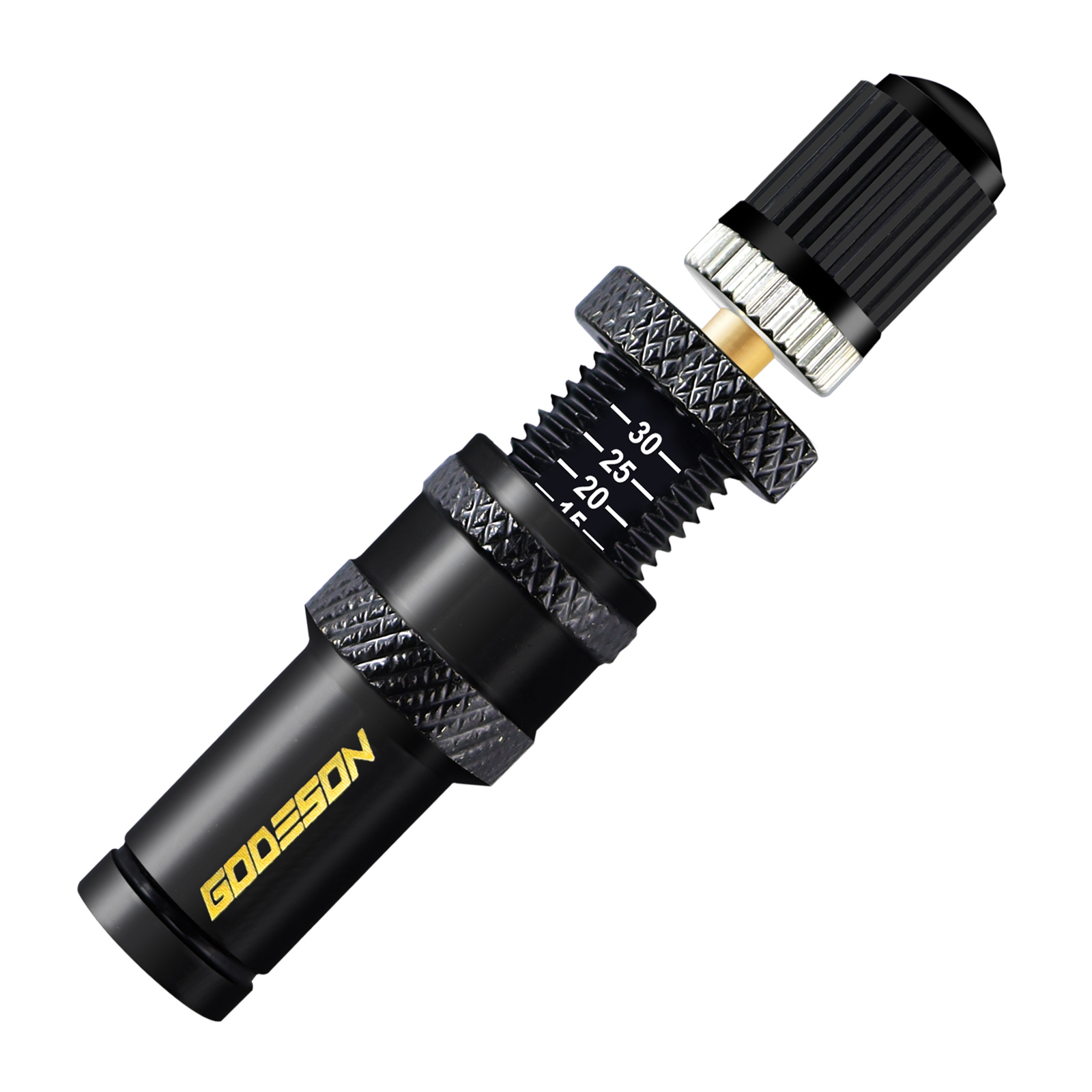
Deflators are designed to release air quickly and evenly from your tires. There are two main types: manual deflators (simple, affordable, and reliable) and quick-release deflators (which attach to the valve stem and automatically stop at your desired pressure). For frequent off-roaders, quick-release deflators save time and ensure consistency across all four tires.
2. Tire Deflator Gauge
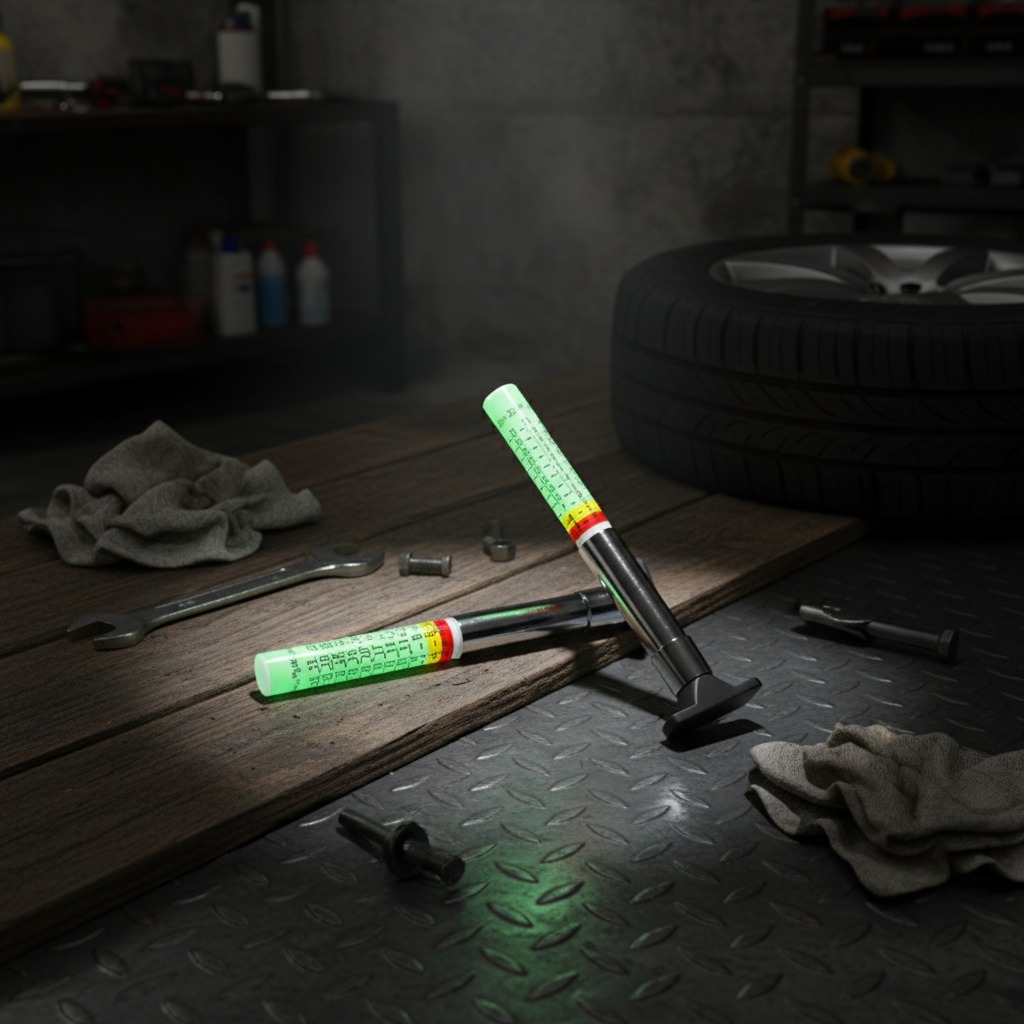
A reliable tire gauge is non-negotiable—you can’t guess your tire pressure. Digital gauges are easy to read and accurate (most have a margin of error of 1% or less), while analog (mechanical) gauges are battery-free and durable. Choose one that’s compact enough to store in your glove box or trail bag.
3. Tire Inflator
After your off-road adventure, you’ll need to re-inflate your tires to on-road pressure. Portable 12V inflators (which plug into your vehicle’s cigarette lighter or USB port) are convenient for most trails, while manual pumps are great for remote areas where you don’t have power. Look for an inflator that’s fast, durable, and easy to use.
Choosing the Right Tools
For beginners: Start with a basic manual deflator, a tire deflator gauge, and a portable 12V inflator. These are affordable and cover all your needs. For seasoned off-roaders: Upgrade to quick-release deflators for efficiency, and a high-capacity inflator for faster re-inflation. No matter what tools you choose, prioritize reliability—you don’t want your deflator or inflator to fail in the middle of the trail.
Final Tips for Mastering Airing Down
Airing down is a skill that gets easier with practice. Here are a few final tips to help you nail it every time:
-
Test different pressures: Every vehicle and tire is different—experiment with slightly higher or lower pressures to find what works best for your setup.
-
Check all four tires: Ensure all tires are inflated to the same pressure for balanced handling.
-
Don’t rush: Take your time when airing down and re-inflating—accuracy is more important than speed.
-
Practice at home: Before hitting the trail, practice airing down and re-inflating your tires in your driveway. This will help you feel comfortable with the process when you’re out in the wild.
At the end of the day, airing down is about respecting your vehicle, your tires, and the trail. It’s a simple practice that transforms your off-roading experience—turning frustration into fun, and uncertainty into confidence. Whether you’re a beginner tackling your first dirt road or a seasoned enthusiast conquering extreme trails, mastering airing down is the key to safer, more enjoyable off-roading.
Got a favorite airing down trick or a go-to tire pressure for your vehicle? Share it in the comments below—we love hearing from fellow off-roaders!