
Why Proper Tire Pressure Matters for ATV and UTV Safety
Maintaining correct tire pressure is one of the most basic yet critical steps in keeping your ATV or UTV running safely and reliably. Many riders overlook this simple check, but incorrect pressure—whether too low or too high—directly threatens stability, handling, tire life, and overall riding safety.
Safety: The Top Reason to Check Tire Pressure
Safe operation of any ATV or UTV starts with properly inflated tires. Underinflated tires are far less stable, especially at speed or on uneven ground. They flex excessively, respond sluggishly to steering, and greatly increase the risk of skidding, sliding, or even rolling over.
Overinflated tires are equally hazardous. They create a stiff, harsh ride, reduce traction by shrinking the tire’s contact patch with the ground, and leave the vehicle more vulnerable to damage or punctures from rocks, roots, and other trail obstacles.
In short, proper tire pressure keeps you in control.
Better Tire Durability and Longer Lifespan
Tires are a major investment, and pressure directly affects how long they last.
Underinflated tires generate excess heat as they roll, leading to accelerated tread wear, sidewall damage, and sudden tire failure.
Overinflated tires concentrate force on a smaller area, making them more prone to cuts, punctures, and uneven wear.
By maintaining the manufacturer-recommended pressure, you reduce unnecessary stress and extend the life of your tires significantly.
Improved Performance and Fuel Efficiency
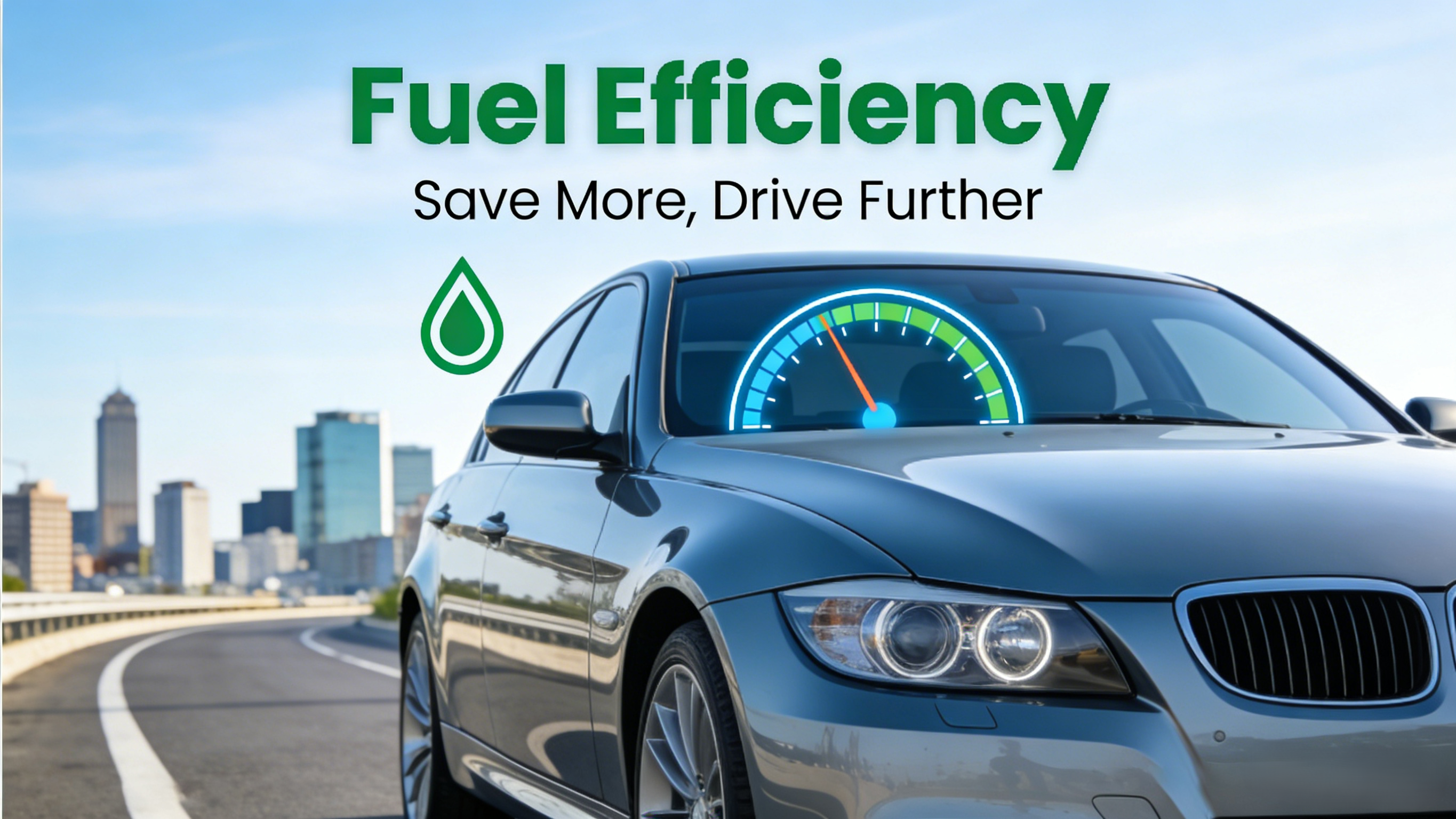 Correctly inflated tires roll more smoothly and create less rolling resistance. This means your engine doesn’t have to work as hard, improving fuel efficiency and overall performance.
Proper pressure also improves traction, flotation, and comfort—whether you’re riding on dirt, gravel, mud, or hard-packed trails.
How to Maintain Correct ATV & UTV Tire Pressure
The most reliable guide is your vehicle owner’s manual, which lists the ideal pressure for your model. You can also find important pressure ratings on the tire sidewall.
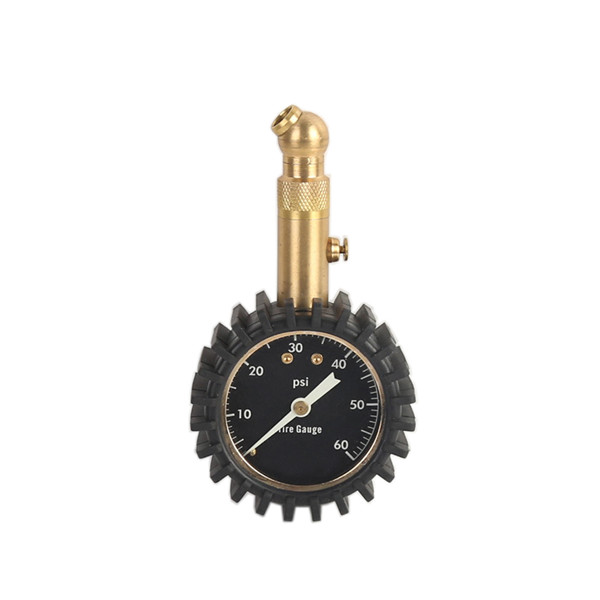
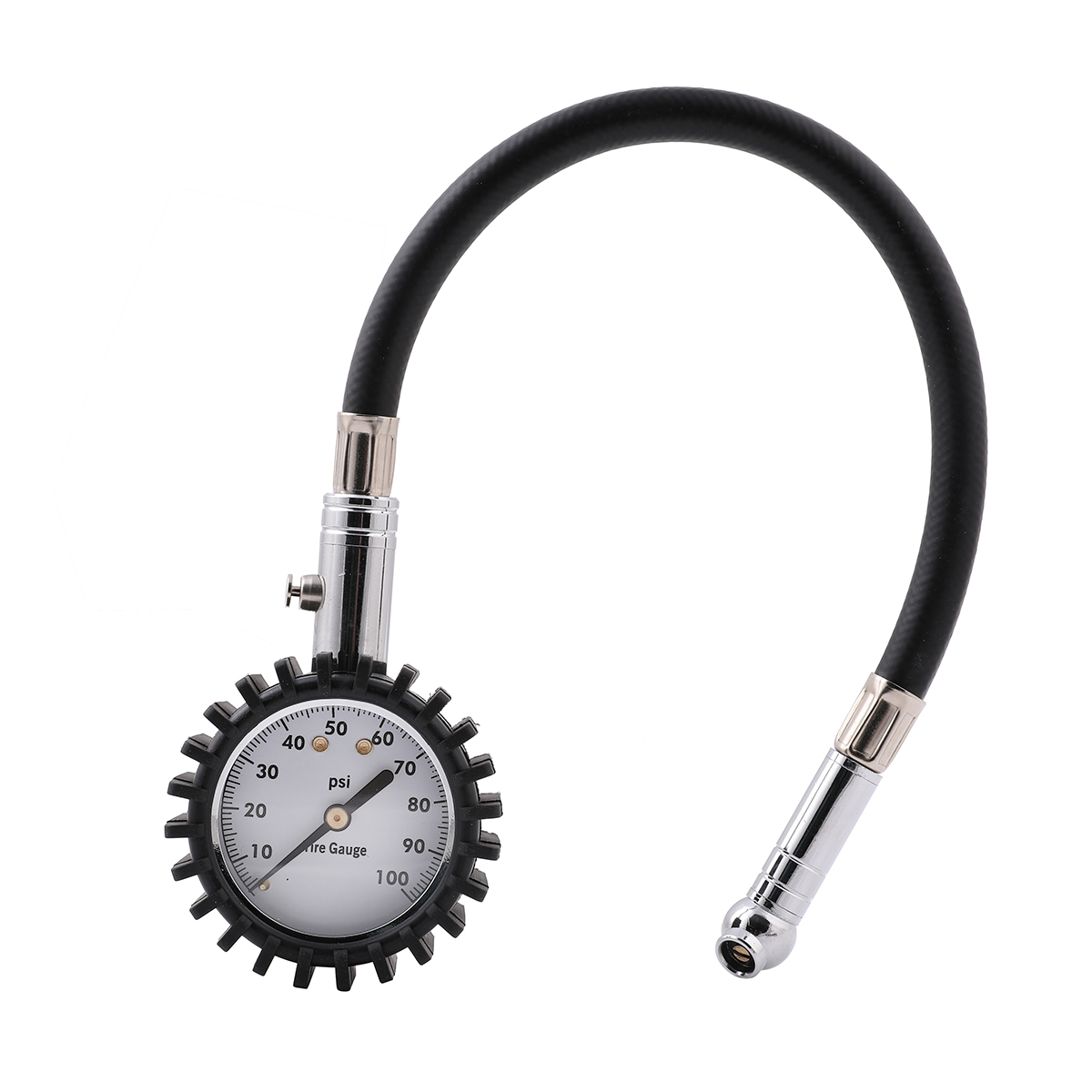
Always check tires when they are cold—heat built up from riding will give a falsely high reading. Use a quality tire pressure gauge designed for low-pressure applications, since ATV and UTV tires usually run at lower pressures than standard car tires.
If pressure is low, use a portable air compressor to add air, then recheck to ensure accuracy.
Choosing the Right Tire Pressure Gauge
For ATV and UTV tires, accuracy at low pressures is essential. Many standard automotive gauges are not precise enough for off-road vehicles.
Look for a gauge built specifically for low-pressure measurement. Digital gauges often offer clearer, more precise readings, with helpful features like backlighting for use in low light. Durability, a comfortable grip, and a long, flexible hose are also practical advantages for trail use.
Quick Safety Tips for Every Rider
- Check tire pressure before every ride.
- Inspect tires after riding for cuts, embedded objects, or pressure loss.
- After riding through mud, water, or rough terrain, clean and check tires carefully to avoid hidden damage.
- Never ride with noticeably low or flat tires—this almost guarantees loss of control.
Final Thoughts
Proper tire pressure is not just a maintenance detail—it’s a safety essential for anyone who rides an ATV or UTV. It protects you, your passengers, your vehicle, and your wallet.
A quick, regular check ensures stable handling, longer tire life, better efficiency, and a safer, more enjoyable ride on any terrain.